The Buying Route Is a Channel: Re-Engineering UK Procurement Before the Specification Is Signed Off
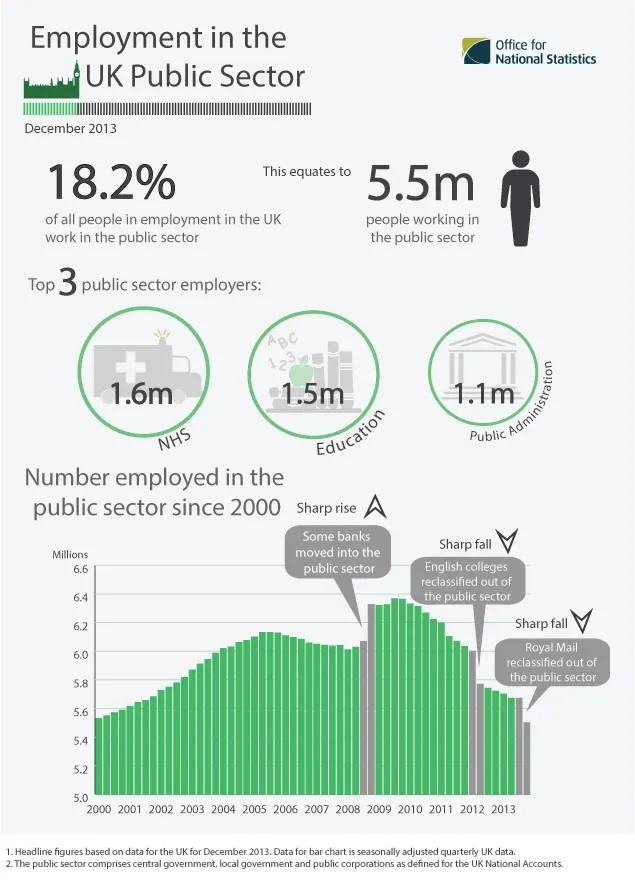
Photo: Office for National Statistics, OGL v1.0, via Wikimedia Commons
Most UK organisations still describe procurement as a gate. A project arrives with a business case, waits, is inspected, and is either waved through or sent back. The metaphor is tidy, and it is misleading. A buying route is better understood as a channel: a structured path with filters, incentives and default destinations that determines which suppliers, which tools and, crucially, which working habits actually arrive at the frontline. Reshape the route and you reshape the behaviour. Leave it untouched and the behaviour designed in the pilot quietly reverts within two quarters.
Why the buying route deserves to be called a channel
A communication channel is any structure that governs how a message, a request or a capability travels from origin to recipient. Email is one. A service desk is another. Procurement is a third, and it is the least examined of the three.
Consider what a framework agreement actually does. It narrows the field before anyone has written a requirement. It signals to delivery teams which vendors are considered legitimate and which are considered a risk. It sets the tempo of engagement through lot structures and call-off rules. By the time a shortlist appears, a substantial amount of design work has already been done — by procurement staff, by framework authors, by category managers — without a single workshop with the people who will use the thing.
That is not a criticism of procurement professionals. It is an observation about where leverage sits. If a UK organisation wants its digital transformation to change how teams communicate and decide, the buying route is one of the few levers that touches every acquisition at once.
Mapping the pre-purchase journey
Before the route can be re-channelled, it has to be seen. In most organisations it runs through recognisable stages, each of which quietly shapes the outcome.
Need articulation. Someone writes a document describing the problem. The vocabulary chosen here — 'platform', 'solution', 'licence' — pre-commits the organisation to a category of purchase long before any workflow is described.
Market engagement. Suppliers are briefed. The questions asked in this session tell the market what the organisation values. Ask about integration and you will receive integration-heavy bids. Ask about adoption and the conversation changes.
Framework selection. Crown Commercial Service agreements, G-Cloud lots, sector-specific panels, or a bespoke competitive tender. Each route carries different evidence requirements, different timescales and a different pool of bidders. The choice is often made on administrative convenience rather than on which route best matches the intended workflow.
Evaluation design. Award criteria are the most powerful behavioural document in the whole process. Whatever is weighted, gets done. Whatever is unweighted, gets promised verbally and forgotten.
Social value. Under the social value model introduced through Procurement Policy Note 06/20, a minimum weighting applies to social value in central government contracts, and many local authorities and NHS bodies apply similar tests. This is not a bolt-on. It determines which suppliers can bid credibly, which in turn determines which tools are available to the frontline.
Award, onboarding, renewal. The final stages often sit with a different team from the one that ran the competition. Continuity of intent is routinely lost here.
Where the route narrows the choice
Three structural biases recur in UK buying routes.
The first is incumbent gravity. Frameworks reward suppliers with the administrative capacity to sit on them, which correlates with size rather than with fit.
The second is specification drift, in which a requirement written to describe a workflow is progressively rewritten to describe a product. By evaluation stage, the document asks whether the bidder can supply features rather than whether the organisation can change behaviour.
The third is post-award amnesia. The implementation plan that scored well in the tender is not the plan that lands in the operating model, and nobody holds a contractual thread between the two.
Four moves to re-channel the buying route
Write the workflow, not the wishlist. Replace at least one section of the requirement with a description of the decisions the frontline team must make, the handoffs it must survive and the channels it must stop using. Bidders will respond to what is asked.
Put behaviour in the award criteria. If adoption support, change management or decommissioning of the previous tool matters, it should carry points. Unweighted intentions do not survive contract signature.
Bring the post-purchase owner into the room. The person who will run the service in year two should sit on the evaluation panel. Their presence changes what bidders say and what the organisation hears.
Design the exit at signature. A route that cannot be left is not a channel; it is a trap. Exit terms, data portability and migration support belong in the first conversation, not the last.
A short diagnostic
Before the next competition is launched, ask three questions. Does our requirement document mention any current channel that will be switched off? Do our award criteria include a measurable behaviour change? Can the person who will own the service in eighteen months name the supplier's implementation lead today?
Three noes indicate a route that will deliver a tool and leave the workflow where it found it. That is the quiet failure mode of UK digital transformation: not a failed project, but a successful purchase that changed nothing.